5 Ways Small Businesses Leverage Their PEO

This guest post is part of our ongoing partnership spotlight series, featuring insights from Goodwin Bussie of Good Books Bookkeeping LLC.

Most small business owners didn’t start their company because they love running payroll or decoding employment law updates. But those things keep showing up on your desk anyway.

That’s where a Professional Employer Organization changes everything. I work with small businesses on their finances every day, and the ones making real operational progress aren’t necessarily the ones with the biggest budgets. They’re the ones who stopped reinventing the wheel on HR and payroll.

Here’s how the smartest small businesses actually use their PEO and why most companies are leaving value on the table. Engaging actively with your PEO can help you feel more confident and in control of your HR decisions.

Can Small Businesses Really Compete on Benefits? 

While PEOs offer access to larger group rates and plan options, understanding which benefits are customizable can help you feel more empowered and less uncertain about benefits choices, ensuring they align with your employees’ needs and growth plans.

One of the biggest hiring disadvantages for small businesses is the cost of benefits. A 10-person company can’t negotiate the same health insurance rates as a 500-person company on its own.

Through a PEO, your employees join a much larger group for benefits purchasing. That means access to major carriers, lower premiums, and plan options you couldn’t afford on your own. For my clients, this has been a genuine recruiting differentiator that can make you feel more confident in your company’s competitiveness.

I’m working through a benefits renewal right now with a small employer. Fewer than ten covered lives. The renewal increase came back north of 50% year over year. That’s not a line item adjustment. That’s a budget crisis.

Moving to a PEO can seem daunting, especially with concerns about operational disruptions. Providing a clear overview of the typical transition process and timeline helps you plan effectively and reduces uncertainty about operational disruptions, making the decision easier.

That’s the math small businesses don’t run until they’re forced to. Don’t wait for a renewal shock.

Organizations managing benefits alongside compliance requirements need infrastructure that scales without breaking the budget. PEOs provide that without requiring internal HR headcount.

How Do PEOs Really Reduce Compliance Risk?

Employment law changes constantly. Minimum wage updates, leave laws, FLSA classifications, and ACA reporting. For a small business owner without a dedicated HR team, staying current is genuinely difficult.

A PEO operates as a co-employer, meaning it shares legal responsibility for employment compliance. They’re tracking the regulatory changes so you don’t have to.

I learned how much that matters when I was handling HR for a growing company, and we faced a termination involving an employee in a legally protected class. The circumstances were legitimate, but the exposure was real. The kind of thing that spirals quickly if it’s not handled exactly right.

Having our PEO’s HR team in our corner made all the difference. They helped us document the process correctly, guided us through the right steps, and made sure we were protected if anything escalated. It didn’t, but it easily could have without that support.

That kind of guidance isn’t always free; some PEOs may charge setup or training fees. Understanding these costs upfront ensures you accurately assess the return on investment and avoid surprises down the line.

Compliance requirements change annually and sometimes more frequently depending on location. PEOs track these updates across all jurisdictions in which they operate, ensuring your business stays compliant without additional effort on your part.

One critical point: assuming that having a PEO means you’re automatically covered is a mistake. Following their processes and documenting your actions carefully can help you feel more secure and confident in your compliance efforts, preventing gaps in legal protection.

What’s the Real Payroll Benefit?

Payroll errors are expensive. Wrong classifications, missed deductions, and late tax deposits create downstream problems that end up on your financial statements and sometimes in front of the IRS.

A PEO handles payroll processing, tax filings, and W-2 issuance. But the businesses getting the most value aren’t just outsourcing a task. They’re making sure payroll data connects cleanly to their accounting.

If your PEO integrates with QuickBooks Online or your bookkeeping platform, that data should flow in consistently and accurately. Payroll is often the largest expense line for service businesses. If it’s not being recorded correctly by class, by department, by employee type, you’re flying blind on actual labor costs.

Ask your bookkeeper to map out exactly how payroll journal entries hit your books. It’s a conversation worth having at least once a year, especially after any changes to your plan structure or employee count.

Are You Using HR Technology?

HRIS platforms that manage onboarding, time tracking, performance reviews, and employee records can cost thousands of dollars per year. Most small businesses either skip them entirely or cobble together something that doesn’t work.

PEOs include this technology in their platforms. Employees have a portal for pay stubs, benefits enrollment, and time-off requests. You have a dashboard for approvals and documentation. Everything lives in one place.

But the performance management module is the most underused feature. I’ve seen what happens when a company finally starts using it.

At a previous company where I led HR, we implemented formal performance reviews for the first time in the company’s history. Before that, feedback was informal and inconsistent. Employees had no structured way to understand expectations.

Once we rolled out the review system built on our PEO’s infrastructure, something shifted. Employees knew what was expected. They had documented records. Managers had a consistent process.

Morale improved noticeably. Not because everyone got glowing reviews, but because people finally felt like they were being evaluated fairly. Clarity is motivating.

Strong HR documentation and processes create consistency, reducing confusion and legal risk. PEOs provide the infrastructure that makes this manageable for small businesses.

For a small business implementing performance reviews for the first time, the PEO’s platform removes most of the friction. The structure already exists. You just have to use it.

Are You Treating Your PEO Like a Strategic Partner?

This distinguishes businesses that derive marginal value from those that genuinely transform their operations.

The best PEO relationships don’t feel like vendor arrangements. They feel like having a seasoned HR team at the table, one that understands your business and is genuinely invested in helping you grow.

I’ve seen PEOs help small businesses think through org structure as they scale, build compensation frameworks that support better hiring, and develop onboarding that actually sets new employees up for success.

One relationship that stands out involved a company moving through real growth. Adding headcount, expanding markets, and managing increasing workforce complexity. The PEO wasn’t just processing payroll. They were helping leadership think through hiring strategy, flagging compliance issues before they became problems, and providing guidance that typically lives inside much larger HR departments.

That partnership requires the business owner to show up engaged. Call your HR advisor before difficult conversations. Use open enrollment to educate employees. Leverage hiring and onboarding tools to build consistent experiences. Ask your PEO rep what they’re seeing across similar businesses.

The platform is only as useful as your level of engagement with it.

What Should You Do Next?

A PEO isn’t right for every business at every stage. The economics need to make sense. But for the small businesses I work with that have leaped, the benefits go far beyond payroll processing.

Better benefits. Shared compliance risk. Cleaner books. Real HR infrastructure. A partner to call when something complicated comes up.

If you’re evaluating a PEO or trying to get more out of yours, map out which of these five areas you’re currently underusing. That’s where the opportunity is.

INFINITI HR provides PEO infrastructure that gives small businesses access to enterprise-level benefits, compliance support, and HR technology without enterprise costs. Contact us to learn how our platform supports growing businesses.

Want more on current employment trends? Check out the recent blog, Turning HR into a Growth Engine: Experts Share Their Top 7 HR Metrics Every Leader Should Track, or come back for additional pieces on human resources, payroll, insurance, and benefits.

This article was contributed by Good Books Bookkeeping LLC, a trusted partner that helps small and mid-sized businesses overcome HR challenges and make more informed, strategic decisions.


Wellness Benefits That Really Improve Retention

Your top performer resigns. The exit interview reveals they’re leaving for better benefits. You offer health insurance, PTO, and a 401(k) match. What did you overlook?

The wellness benefits that improve retention directly address real, daily problems employees face. Highlighting these benefits helps HR managers feel assured that their efforts are meaningful and effective.

Here’s what keeps employees, and what’s just expensive window dressing.

What Wellness Benefits Do People Want?

While standard benefits packages simply check boxes, great benefits directly solve employees’ real problems.

Flexibility tops every employee survey about what matters most. Remote work options, flexible hours, and compressed workweeks let people handle life without sacrificing their careers. Parents managing school pickups, people with chronic health conditions, and anyone juggling caregiving responsibilities value flexibility more than almost any other benefit.

Mental health support is now non-negotiable. Expanded therapy, mental health days, and effective EAP programs matter far more than perks. People remain at companies that prioritize well-being when life is tough. (Here is an overview of the EAP program INFINITI HR offers to clients and their employees – It includes things like online will preparation, legal guidance, health coaching, access to important financial resources such as retirement planning, taxes, and more.)

Financial wellness programs help reduce the stress many employees feel. Student loan assistance, emergency savings, and financial counseling reduce anxiety and the urge to job-hop in pursuit of marginal salary increases.

Childcare support determines retention for working parents. Backup care, subsidized daycare, or flexible spending for dependent care eases the scramble and helps parents stay in their jobs.

Why Don’t Standard Wellness Programs Work?

Most wellness programs focus on appearance rather than results.

Corporate gym memberships look great in benefits presentations. Very few employees use them. On-site fitness centers sit empty most days. Wellness challenges with fitness trackers generate excitement, then usage drops after the first month.

The problem isn’t the offerings. It’s the mismatch between what companies think employees want and what really improves people’s lives. A gym membership doesn’t help someone working two jobs to pay off debt.

Employee engagement drops when benefits don’t match real needs. Companies with 50+ employees often face retention challenges because their benefits strategy hasn’t evolved.

Access barriers kill participation. Programs requiring in-person attendance exclude people with inflexible schedules, while benefits that require upfront costs disadvantage those already financially stressed.

How Do Wellness Benefits Connect to Retention?

People leave jobs that make life harder. They stay where life is easier.

Improvement in direct response occurs when benefits solve daily friction points. For example, an employee juggling eldercare who receives access to backup care services doesn’t have to choose between family and career, which dramatically reduces turnover risk.

Financial stress drives job searching even when people like their work. Offering student loan repayment assistance or financial counseling keeps employees from constantly scanning job boards for higher-paying positions. When you reduce financial anxiety, you reduce flight risk.

Health benefits that truly work, keep people from leaving. Comprehensive mental health coverage, fertility benefits, and programs that support chronic condition management show employees you value their whole lives, not just their productivity.

Organizations managing multi-state growth need benefits that scale across locations. Inconsistent wellness offerings across offices create retention disparities, leaving some locations unable to retain talent.

What Benefits Have the Highest ROI for Retention?

Track employee benefit usage and link it to retention outcomes to assess ROI.

Paid parental leave shows a clear ROI. Companies offering 12+ weeks of paid leave see significantly higher retention among new parents than those offering minimal or unpaid leave. The upfront cost looks high, but replacing someone costs far more.

Flexible work arrangements require little investment and deliver substantial retention benefits. Remote work and flexible schedules reduce burnout and improve work-life balance without affecting your benefits budget.

Professional development programs provide ROI by retaining top performers. Offering education reimbursement, conference budgets, or skill development opportunities helps prevent turnover among ambitious employees seeking career growth.

How Do You Know What Wellness Benefits to Offer?

Survey results can mislead unless you ask the right questions.

Effective surveys ask about daily stressors and what eases work, empowering HR leaders to make informed, impactful decisions about benefits.

Additionally, exit interview data reveals what you’re missing. When people consistently cite benefits as reasons for leaving, pay attention to the specifics: whether for better health insurance, more flexibility, or student loan assistance. Those patterns guide your investment decisions.

Demographic analysis shows what different groups need. Benefits that matter to parents differ from benefits that matter to recent graduates or people nearing retirement. Segmenting your workforce helps you offer benefits that are relevant to each group, rather than one-size-fits-all programs.

Companies with integrated HR infrastructure can analyze benefits utilization alongside retention data to identify which offerings really drive retention.

What’s the Minimum Viable Wellness Strategy?

Start with flexibility, mental health coverage, and financial wellness.

Flexible work arrangements are cost-effective and deliver immediate retention benefits. Allow schedule adjustments or remote work when possible; the gains in productivity and retention outweigh coordination challenges.

Expand mental health coverage beyond EAP. Increase therapy session limits, reduce mental health copays, and add virtual counseling. Mental health support boosts retention across all demographics.

Add a financial wellness benefit. Student loan assistance reaches younger workers. Emergency savings help everyone. Financial counseling supports any career stage. Match benefits to workforce demographics.

Why Do Some Companies Over-Invest in Wellness?

Flashy perks don’t retain people if fundamentals are broken.

Free lunch and snack bars appeal visually, but don’t retain people if salaries lag or growth is stagnant. Wellness benefits strengthen well-run workplaces; they can’t fix fundamental issues.

Strong documentation and HR processes matter more than elaborate wellness programs. People stay where systems work, and support is consistent.

What Makes Wellness Benefits Sustainable?

Design programs you can afford long-term.

Launching generous benefits, you have to cut later damages and trust more than never offering them at all. Start conservatively and expand as the budget allows. Sustainability beats grand gestures you can’t maintain.

Build benefits into your culture instead of treating them as perks. When flexibility, mental health, and financial wellness become your operating standards, they’re sustainable regardless of budgets.

Measure outcomes regularly. Track utilization, retention correlation, and employee feedback. Benefits that don’t drive results should be eliminated to fund benefits that do. Being willing to pivot based on data keeps your wellness strategy effective.

Wellness benefits retain people by solving real problems. Skip trendy perks. Focus on benefits that reduce daily stress, support whole lives, and make work fit life.

INFINITI HR provides integrated benefits and HR infrastructure that makes mental health support accessible and sustainable. Contact us to learn how our platform connects employees to the resources they need.

Want more on current employment trends? Check out the recent blog, How to Align HR, Finance, and Operations Around Shared Business Goals, or come back for additional pieces on human resources, payroll, insurance, and benefits.

Employee in a supportive workplace environment representing mental health strategy beyond EAP programs

How to Build an Employee Mental Health Strategy That Goes Beyond EAP

Most companies offer Employee Assistance Programs. Very few employees use them.

EAP utilization averages 3% to 8%, meaning most employees rarely use these benefits. The gap highlights that just handing out brochures doesn’t make mental health support effective.

Before we dive in, let’s explore what really drives employees to use mental health support—and why current approaches often fall short.

Why Don’t Employees Use EAPs?

Three reasons stop most people from using EAPs, even when they need help.

  1. Most employees forget EAP details after onboarding, and brochures go unused. Few know how to access their EAP.
  2. Stigma persists. Employees worry that seeking EAP help is risky and doubt its confidentiality, even with privacy assurances.
  3. Access friction prevents use: EAPs may require phone calls during business hours, limit the number of sessions, or require referrals. By the time an employee navigates the process, the crisis may be over.

What Does a Decent Mental Health Strategy Look Like?

Real mental health support starts before people reach crisis points.

Preventive care beats intervention. Companies with strong strategies normalize conversations about stress and work-life balance before breakdowns, helping employees feel understood and supported. Managers spot early warning signs: performance drops, withdrawal, and absenteeism.

Organizations that build supportive workplace cultures see higher engagement and lower turnover. Mental health support ties directly to retention because people stay where they feel supported.

Access outweighs offerings. The best EAP is useless if unused. Effective strategies provide virtual therapy outside business hours, text counseling for those who won’t call, and apps for anytime support.

Proactively reach out to employees. Send monthly reminders about available mental health resources. Integrate mental health content in team meetings. Make support visible and easily accessible.

How Do You Reduce Stigma Around Mental Health?

Leadership sets the tone for mental health openness. Examples include sharing personal stories, participating in awareness campaigns, and openly discussing stress management to foster a supportive culture.

When executives talk openly about stress management or share their own experiences with therapy, it gives everyone else permission to do the same. One CEO sharing that they see a therapist does more to reduce stigma than a hundred policy statements.

Language matters. Stop treating mental health as separate from physical health. You wouldn’t stigmatize someone for going to the doctor for a broken arm. Mental health appointments deserve the same normalcy.

Create safe spaces for conversation. Some companies run mental health awareness sessions led by licensed professionals. Others start peer support groups where employees can connect without involving management. The format matters less than creating regular opportunities for people to talk.

Workplace compliance with leave laws includes mental health accommodations under the FMLA and the ADA. Treating mental health leave the same as medical leave reduces stigma and protects both employees and employers.

Quick Answer: EAP utilization averages just 3–8% because employees forget they exist, fear stigma, and face access barriers. A real mental health strategy combines multiple access options, proactive communication, leadership modeling, and benefits that remove cost and scheduling friction — not just a brochure.

What Benefits Really Support Mental Health?

EAPs are starting points, not complete solutions.

Expanded therapy coverage makes the biggest difference. Standard health plans often limit mental health visits or require high copays. Employers that add mental health parity to their benefits see higher utilization because cost is no longer a barrier.

Flexible scheduling enables therapy without lost pay or PTO. Remote work options lower stress for employees managing mental health.

Financial wellness programs address a major source of stress. Money worries drive significant mental health struggles. Employers offering financial counseling, emergency savings programs, or student loan assistance reduce one of the biggest anxiety triggers people face.

Mental health PTO signals rest matters. Some companies offer separate mental health days; others allow personal days with no questions asked. The policy details aren’t as important as the message: mental health matters.

How Do You Measure Mental Health Strategy Success?

Utilization rates indicate how often people use benefits.

Track EAP usage monthly instead of annually. Look for trends. Are more people accessing support after you made changes? Usage climbing from 5% to 15% means your strategy is working.

Engagement scores often reflect the quality of mental health support. Employee engagement surveys can include mental health questions about stress levels, work-life balance, and whether people feel supported when struggling.

Absenteeism patterns uncover mental health issues. Frequent short absences and Monday/Friday sick days suggest burnout or untreated conditions. Tracking helps spot problems early.

Improvement in retention occurs when mental health support works. People leave jobs that burn them out. They stay at companies that support their well-being. If your retention numbers improve after implementing mental health initiatives, the strategy is paying off.

What’s the Minimum Viable Mental Health Strategy?

Start with three things: access, awareness, and leadership buy-in.

Ensure your EAP offers multiple access options, such as virtual and after-hours sessions. Communicate access points monthly, not just during orientation, to make employees feel empowered and aware of available support.

Train managers with clear guidelines for mental health conversations. Provide managers with easy-to-follow instructions on how to check if someone is okay and when to refer employees to available resources.

Secure leadership participation for mental health initiatives. Ask at least one executive to share their experiences openly to create a safe environment for employees and inspire confidence in the strategy.

An integrated HR platform makes benefits coordination easier, so employees can find and use mental health support without having to navigate multiple systems.

Why Does This Matter Beyond Retention?

Mental health support affects every business metric you track.

Productivity drops with poor mental health. Burned-out employees make mistakes, miss deadlines, and disengage. Supporting mental health boosts performance.

Healthcare costs rise when mental health goes untreated. Anxiety and depression often manifest as physical symptoms that drive expensive medical visits. Preventive mental health support reduces overall healthcare spending.

Culture suffers without mental health support. Teams unable to access help turn toxic; resentment builds, collaboration fails, and top talent leaves.

Building a real mental health strategy requires more than brochures. It needs intentional design, consistent communication, and leadership dedicated to normalizing mental health topics.

Key Takeaways:

  • EAP utilization averages just 3–8% because employees forget they exist, fear stigma, and face access barriers — handing out brochures is not a mental health strategy
  • Real mental health support starts before crisis points — preventive care, manager training, and proactive monthly communication are more effective than reactive EAP referrals
  • Leadership modeling is the single most powerful stigma-reduction tool — one executive sharing their therapy experience does more than a hundred policy statements
  • Effective mental health benefits go beyond EAPs to include expanded therapy coverage with mental health parity, flexible scheduling, financial wellness programs, and mental health PTO
  • Measure strategy success monthly through EAP utilization rates, engagement scores, absenteeism patterns, and retention — if numbers improve after implementation, the strategy is working

INFINITI HR provides integrated benefits and HR infrastructure that makes mental health support accessible and sustainable. Contact us to learn how our platform connects employees to the resources they need.

Want more on current employment trends? Check out the recent blog, How Scalable HR Infrastructure Supports Multi-State Business Expansion, or come back for additional pieces on human resources, payroll, insurance, and benefits.


Leading PEO, INFINITI HR, Celebrates National Volunteer Month with a Year-Round Commitment to Community Impact

COLUMBIA, MD – In recognition of National Volunteer Month, INFINITI HR is proud to highlight its ongoing commitment to giving back, powered by the passion and participation of its employees. Through a combination of hands-on volunteering, employee-led initiatives, and community partnerships, INFINITI HR continues to make a meaningful impact both locally and beyond.

While National Volunteer Month shines a spotlight on service each April, INFINITI HR has embedded community engagement into its culture year-round. Here’s what that looks like in action:

  • Supporting Families in Need: Each year, INFINITI HR adopts families during the Thanksgiving and holiday season, ensuring they have meals, gifts, and support during times that matter most.
  • Honoring Veterans: Through participation in programs like Adopt-a-Wreath, the team proudly supports efforts to honor and remember those who have served our country.
  • Back-to-School Drives: Now entering its seventh year in 2026, employees donate time and essential supplies through the annual backpack drive, helping equip students with the tools they need to succeed. In its fifth year alone, the initiative achieved record results, with more than 3,000 school supplies collected and distributed to students at Burtonsville Elementary School in Burtonsville, Maryland, and Bond Mill Elementary School in Laurel, Maryland. INFINITI HR also partners with local organization Neighbor Network (Neighbors Helping Neighbors) to provide fully stocked backpacks to low-income families… ensuring students start the school year prepared, confident, and supported.
  • Community Wellness & Engagement: From participating in the Best Buddies Friendship Walk on May 2nd to organizing the company’s annual Chili Cook-Off and Bring Your Kids to Work Day (complete with a scavenger hunt), INFINITI HR fosters connection, inclusion, and fun while giving back.
  • Employee-Led Giving: Team members are encouraged to support causes close to their hearts, from local shelters to community-based organizations, reinforcing a culture where giving back is both personal and collective.
  • Internal Initiatives for Impact: Programs like the company’s annual Water Challenge promote both wellness and awareness, bringing employees together around shared goals that extend beyond the workplace.

Recognized this year by Newsweek as one of America’s Greatest Workplaces for Mental Well-Being 2026, INFINITI HR’s approach is rooted in the belief that strong communities and strong businesses go hand in hand. 

“Giving back isn’t separate from business… it’s part of how we build it,” said Scott Smrkovski, CEO of INFINITI HR. “When employees feel connected to something bigger than their day-to-day work, it drives engagement, strengthens culture, and ultimately creates better outcomes for our clients.”

This National Volunteer Month, INFINITI HR encourages organizations to reflect on the role they play in their communities and the legacy they are building beyond the workplace.

About INFINITI HR

INFINITI HR is a leading Professional Employer Organization (PEO) providing human resources outsourcing, payroll, risk management, employee benefits, and insurance services to businesses nationwide. INFINITI HR’s tailored solutions help companies streamline operations, stay compliant, and build strong, sustainable cultures.

Learn more about how INFINITI HR helps businesses align values with action at infinitihr.com, and discover how you can get involved, support our community initiatives, and make a lasting impact alongside us.

Year-end tax planning calendar showing S-corp and partnership deadlines for retirement contributions and Section 179

Year-End Tax Planning for S-Corps and Partnerships: Deadlines, Extensions, and Retirement Contributions

April 15th is behind us, tax season is over and I’m already hearing about the same issues: 

missed retirement deadlines, forgotten Section 179 purchases, and confusion over which deadlines are flexible and which aren’t. So let’s get clear on what has to happen before December 31st.

Quick Answer: S-corp and partnership owners face three immovable year-end deadlines — employee 401(k) deferrals (December 31), Q4 estimated taxes (January 15), and Section 179 equipment in service (December 31). Employer profit-sharing contributions and tax filings can be extended, but employee deferrals cannot

What Year-End Tax Deadlines Can S-Corps and Partnerships Not Move?

There are several year-end deadlines you can’t move. I’m focusing on the three that hit S-corp and partnership owners the hardest.

First: Employee retirement deferrals.

If you pay yourself W-2 wages, your 401(k) contributions must come out of paychecks processed by December 31st. For 2026, that’s up to $24,500, plus catch-up if you’re over 50. You can’t retroactively defer in January. If you want to max out, you need to adjust your final payroll runs before year-end.

Second: Fourth-quarter estimated taxes.

That payment is due January 15th. Even with an extension, it’s still required to avoid penalties.

Third: Equipment purchases for Section 179.

To deduct it this year, equipment must be purchased, delivered, and in service by December 31st. Ordering isn’t enough—it must be operational.

What Year-End Tax Deadlines Can S-Corps and Partnerships Extend?

Now here’s what’s flexible. 

Employer retirement contributions.
Profit-sharing contributions can be made up until your tax filing deadline, including extensions. If you extend to October 15th, you have until then to fund and deduct it. This is completely different from employee deferrals, which lock on December 31st.

Tax filing extensions.
Partnerships and S-corps file by March 16 and can extend to September 15. Just remember—extensions give you more time to file, not more time to pay. 

Year-End Tax Planning Checklist for S-Corps and Partnerships

  • Make sure you’ve paid in close to what you’ll owe in estimated taxes
  • Adjust final payroll to max out 401(k) deferrals
  • Get equipment purchased and in service before December 31st

Year-end tax planning is easier when payroll, retirement, and tax strategy are aligned. At INFINITI HR, we work directly with your CPA to make sure nothing gets missed, plan now, and December becomes a strategy session — not a fire drill. For more on current employment trends, check out our blog at infinitihr.com.

Want more on current employment trends?

Check out the recent blog, How to Align HR, Finance, and Operations Around Shared Business Goals or come back for additional pieces on human resources, payroll, insurance, and benefits.


*This article is for informational purposes only and does not constitute tax or legal advice. Consult your CPA or tax advisor for guidance specific to your situation


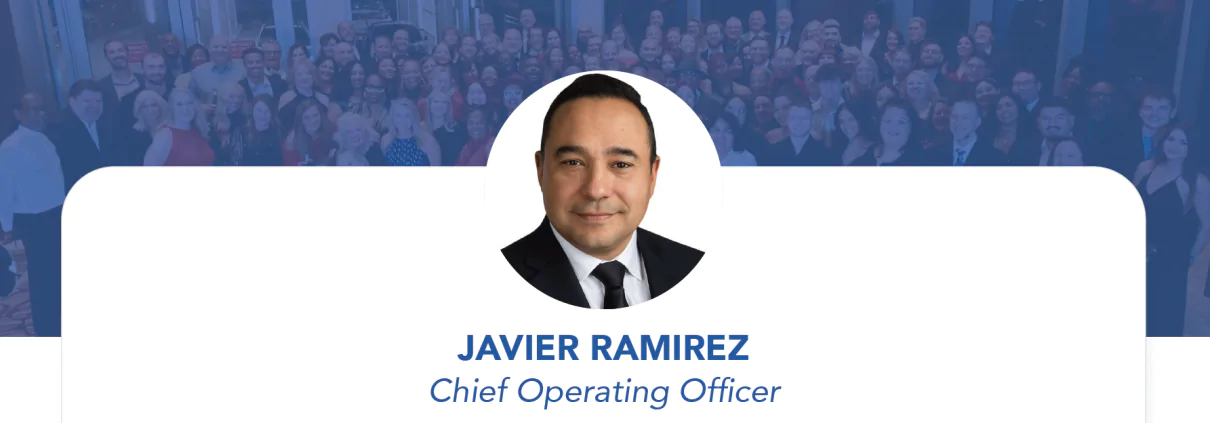
Javier Ramirez, new Chief Operating Officer of INFINITI HR professional employer organization

INFINITI HR Appoints Javier Ramirez as Chief Operating Officer

BURTONSVILLE, MD – INFINITI HR, a leading professional employer organization, announced that Javier Ramirez has joined the company as Chief Operating Officer. Ramirez steps into the role following the departure of Rob Blunt, who retired and served as COO since 2019.

“Javier brings a rare combination of financial expertise and operational instincts that very few leaders in this industry possess,” said INFINITI HR CEO Scott Smrkovski. “His track record of building and scaling PEO organizations, combined with his genuine passion for people and client service, makes him the right leader to take INFINITI HR into its next phase of growth. We are thrilled to welcome him to the team.”

Ramirez brings more than two decades of experience spanning PEO operations, finance, and executive leadership. Having served as CFO and senior financial executive at organizations including Alpha Staff, Engage PEO, CoAdvantage, and Access Point, he has led major accounting transformations, navigated multiple M&A transactions, and helped position several PEOs for successful acquisition. He is bilingual in English and Spanish and has led teams across Latin America throughout his career.

In his new role, Ramirez will oversee day-to-day operations, lead the integration of AI and automation tools to improve efficiency and client responsiveness, and drive cross-functional alignment across all service teams. 

For Ramirez, the opportunity comes down to one thing: client impact.

“I want our clients to know we are the PEO that really listens,” Ramirez said. “When you bring us a concern, we act. We call you back. We tell you not to worry, and then we follow through. We have long-standing clients who trust us, and they deserve that level of service every single day.”

Originally from Medellín, Colombia, Ramirez holds a master’s degree in accounting from Florida Atlantic University and a bachelor’s degree in finance from Florida Atlantic University. He resides in the Mid-Atlantic with his family. 

Click to read Javier’s bio.

About INFINITI HR 

INFINITI HR is the home for industry-leading top talent and proud to be The Professional Employer Organization for Franchises®. This customizable PEO by entrepreneurs for entrepreneurs is the first of its kind, providing industry-leading, state-specific HR through an on-demand one point of contact, full federal and state regulatory compliance management, True-Group Master Policies for all mandatory and voluntary employer insurance (including Fortune 500® Level Custom Employee Benefits, Workers’ Compensation Insurance, EPLI, Joint-Employer Liability Insurance), recruitment process outsourcing, working capital funding, POS/time clock integration, tax filing, and payroll services for franchises of all sizes, located in all 50 states.

Click here for the latest press releases and up-to-date news on human resources outsourcing. To learn more about how your business can save time, reduce labor costs, and mitigate employer liability, call INFINITI HR at 623-455-6234 or email info@infinitihr.com.

Business leaders from HR, finance, and operations collaborating around shared metrics and integrated data

How to Align HR, Finance, and Operations Around Shared Business Goals

Your CFO wants the headcount reduced by 15%. Your VP of Operations needs 20 new hires to meet production commitments. Your HR director is stuck in the middle with no authority to make the decision that matters.

Your HR, finance, and operations teams often feel isolated, but aligning on shared business goals can foster a sense of unity and purpose, making them feel connected and motivated.

Most companies see cross-functional alignment as scheduling more check-ins and sharing dashboards, but the core issue is departments optimizing for conflicting metrics, which hinders collaboration.

Here’s why this happens and what fixes it.

Quick Answer: HR, finance, and operations conflict because each department optimizes for different metrics. The fix isn’t more meetings — it’s shared metrics like revenue per employee, integrated data that all three departments can see, and cross-functional planning that starts with business goals and works backward to people investment.

Why Do HR, Finance, and Operations Work Against Each Other?

Finance measures success by controlling costs and improving margins. Headcount is the single largest controllable expense on the P&L, so finance naturally pushes for headcount efficiency.

Operational success is measured by hitting production targets and meeting customer commitments. More orders require more capacity, which usually means more people. Operations naturally push for headcount growth.

HR gets caught executing conflicting mandates. Hire faster to support operations. Control costs to satisfy finance. Improve retention while freezing salaries. Build culture while cutting benefits.

When departments optimize for different goals, you get predictable dysfunctions. Finance approves a hiring freeze without understanding the operational impact. Operations commits to deadlines that require staffing, but finance won’t approve. HR implements retention programs that operations doesn’t support, and finance won’t fund.

Nobody’s being unreasonable. Each department is doing exactly what its incentive structure tells them to do. The problem is that those incentive structures don’t align with each other or with the overall business strategy.

What Does Cross-Functional Alignment Really Require?

Shared metrics are more than numbers; they foster collaboration that inspires your teams to work together toward common success.

When finance, operations, and HR share accountability for revenue per employee, they can’t optimize their individual metrics at each other’s expense, fostering a collaborative mindset and shared responsibility for success.

Research from MIT Sloan Management Review shows that companies with aligned performance metrics across functions outperform their peers by 20% to 30% on key business outcomes. The difference isn’t strategy quality but execution consistency.

Shared metrics foster shared accountability, transforming decision-making by encouraging departments to collaborate on staffing levels that balance growth, efficiency, and financial constraints.

Why Can’t HR, Finance, and Operations See the Same Data?

Having a complete, integrated data system can reduce frustration and build confidence that your teams are making informed decisions together, encouraging trust and reassurance among your leaders.

Finance sees fully loaded labor costs by department, but doesn’t know if those costs are driving revenue growth or just burning cash. Operations sees production output and customer commitments, but doesn’t know the profitability of different product lines. HR sees headcount, turnover, and time-to-fill, but doesn’t know which roles actually impact business results.

When departments can’t see the same data, they can’t make the same decisions. Finance makes staffing recommendations based on cost structure. Operations makes staffing recommendations based on capacity constraints. HR makes staffing recommendations based on recruitment pipelines. All three recommendations conflict because they’re built on incomplete information.

The solution isn’t more dashboards. It’s an integrated infrastructure where payroll, benefits, workers’ comp, and operational data flow into unified reporting that shows the complete picture of how people investments drive business outcomes.

When HR systems, workflows, and documentation are spread across fragmented platforms, alignment is structurally impossible. You’re asking departments to coordinate based on data they can’t reconcile.

What Metrics Actually Align HR, Finance, and Operations?

The right metrics foster collaboration rather than conflict. Revenue per employee makes finance, operations, and HR jointly accountable for productivity. Labor cost as a percentage of revenue makes all three departments balance efficiency with growth. Time to productivity for new hires makes recruitment, onboarding, and training everyone’s problem to solve together.

These metrics work because no single department can game them. Finance can’t improve revenue per employee by cutting headcount if it reduces revenue faster than it reduces costs. Operations can’t improve it by demanding more hires if productivity doesn’t scale. HR can’t improve hiring speed if new employees take too long to become productive.

Shared metrics create natural collaboration points. When finance sees that turnover in a specific role is costing 2x salary in lost productivity and replacement costs, they stop treating retention programs as discretionary HR spending. When operations sees that understaffing is creating overtime costs that exceed the cost of proper staffing, they support HR’s hiring plans.

Studies suggest that integrated workforce planning can reduce administrative time significantly, freeing HR to focus on strategic priorities rather than manual reconciliation across systems. The savings don’t come from cutting headcount but from making better decisions about where to invest in people.

How Do You Stop HR, Finance, and Operations from Planning in Silos?

Most companies plan in silos. Finance builds budgets based on cost targets. Operations builds capacity plans based on revenue forecasts. HR builds hiring plans based on turnover projections. Then they argue about whose plan takes priority.

Don’t plan in silos. Cross-functional planning aligned with shared goals enables early detection of conflicts and better resource allocation.

Integrated planning starts with business goals and works backward to determine the people investment required to achieve them. If the goal is 25% revenue growth in a new market, what roles drive that growth? What’s the ramp time for those roles? What does that mean for hiring timeline, onboarding capacity, and compensation budget?

This requires finance, operations, and HR to answer those questions together, using shared data and shared accountability for the outcome. When planning happens cross-functionally, you catch conflicts early instead of mid-execution. Finance discovers that the headcount budget doesn’t support the revenue target before sales commit to customers. Operations discovers that production timelines assume staffing levels HR can’t deliver before making promises.

Why Does HR Technology Make Cross-Functional Alignment Harder?

The average mid-sized company uses five to seven HR platforms that don’t integrate payroll, HRIS, ATS, benefits administration, time tracking, performance management, and learning management. Each system optimizes for its specific function, but none of them support cross-functional decision making.

Finance can’t see real-time labor costs because payroll and benefits live in different systems. Operations can’t see workforce capacity because scheduling and headcount tracking don’t connect. HR can’t see the business impact because people data doesn’t connect to operational or financial metrics.

When you need three systems to answer one question, alignment is impossible. By the time you manually reconcile data across platforms, the information is already outdated, and the decision deadline has passed.

Integrated infrastructure solves this by consolidating people data in platforms that connect to financial and operational systems. When payroll, benefits, workers’ comp, time tracking, and performance data are consolidated into a unified report, all three departments see the same numbers.

This is what the PEO model delivers. Not just outsourced HR services, but an integrated infrastructure where people data, financial data, and operational data connect to support business decisions instead of departmental metrics.

How Do You Make HR, Finance, and Operations Alignment Permanent?

Most alignment initiatives fail because they treat alignment as a project instead of a system. You run a cross-functional workshop, create shared goals, establish new meeting rhythms, then watch everything drift back to silos within six months.

Permanent alignment requires permanent infrastructure. Shared dashboards that update in real time. Integrated metrics that force collaboration. Planning processes that make departments succeed or fail together. Technology that makes cross-functional visibility automatic instead of manual.

The companies that scale successfully don’t just talk about alignment. They build systems that make misalignment impossible. When your infrastructure forces finance, operations, and HR to use the same data and share accountability for the same outcomes, alignment stops being a cultural aspiration and becomes a structural reality.

Key Takeaways:

  • HR, finance, and operations conflict because each department optimizes for different metrics — finance cuts costs, operations demands headcount, and HR is stuck executing both mandates simultaneously
  • Shared metrics like revenue per employee and labor cost as a percentage of revenue create joint accountability that no single department can game at the expense of others
  • The real problem isn’t a bad strategy; it’s fragmented data. When departments can’t see the same numbers, they can’t make the same decisions
  • Cross-functional planning that starts with business goals and works backward to people investment catches conflicts before they become mid-execution crises
  • Integrated PEO infrastructure consolidates payroll, benefits, compliance, and workforce data into unified reporting, making cross-functional alignment structural rather than cultural

INFINITI HR provides an integrated infrastructure that connects people data to business outcomes, enabling finance, operations, and HR to make decisions based on complete information rather than departmental metrics. Our PEO platform consolidates payroll, benefits, compliance, and workforce data in systems that support cross-functional planning and shared accountability. Contact us to learn how we help Maryland businesses align HR, finance, and operations around sustainable growth.

Want more on current employment trends? Check out the recent blog, Conquering Multi-State Expansion: How to Hire Employees Across State Lines Without Delays, or come back for additional pieces on human resources, payroll, insurance, and benefits.

Blueprint diagram illustrating scalable HR infrastructure for multi-state business expansion

How Scalable HR Infrastructure Supports Multi-State Business Expansion

You just landed your biggest contract yet. A Texas-based client needs immediate service, your operations team celebrates the revenue, and then HR realizes the problem: you can’t hire 15 people in a new state because your infrastructure can’t handle it.

The payroll system doesn’t support Texas tax tables. Workers’ compensation doesn’t extend to new locations. State-specific compliance requirements pile up faster than your team can research them. What looked like a major win becomes a three-month scramble that costs you the momentum you needed.

Here’s why single-state infrastructure often creates uncertainty during expansion, and how scalable systems can help HR teams feel more confident and prepared for growth.

Quick Answer: Single-state HR systems break during geographic expansion because each new state adds its own payroll taxes, workers’ comp requirements, and compliance rules. A multi-state PEO solves this by providing infrastructure already built for all 50 states — so you can hire in a new market in days, not months.

Why Does Single-State HR Infrastructure Break During Expansion?

Most companies build HR systems that work perfectly for their home state. Payroll runs smoothly, benefits administration feels manageable, and compliance stays up to date because everyone knows the local requirements.

Then expansion happens, and everything multiplies.

Texas requires different unemployment insurance rates than Maryland. California mandates specific wage statements that don’t exist in Ohio. Each new state brings its own workers’ compensation requirements, disability insurance rules, and employment poster obligations.

Your payroll provider says they can add Texas, but it’ll take six weeks to configure. Your workers’ comp carrier doesn’t write policies in the new state. Your benefits broker needs to research network coverage before quoting rates.

What worked in one state becomes five separate administrative projects in five states.

What Is the Compliance Multiplication Problem in Multi-State HR?

Single-state operations operate under a single set of rules. Multi-state operations involve 50 different regulatory frameworks that often conflict. Still, scalable systems can help HR teams feel more in control by automatically adapting to these variations and reducing compliance risks.

Research highlights that companies managing employees across state lines benefit from integrated systems that automatically handle wage laws, leave requirements, and tax obligations, reducing compliance risks and administrative burden.

Every state tracks compliance violations differently. Every state processes unemployment claims through separate systems. Every state updates its employment laws on its own timeline.

Your HR team becomes a compliance research department trying to track regulatory changes across multiple jurisdictions while still running day-to-day operations.

What Does Multi-State HR Operations Really Require?

Scalable infrastructure empowers business owners to feel in control by automatically handling location-specific requirements without manual effort.

Multi-state payroll systems calculate state and local taxes for every jurisdiction where you employ people. They update tax tables when rates change, apply the correct wage bases for each state’s unemployment insurance program, and generate location-specific wage statements without HR having to touch the settings, ensuring rapid deployment during expansion.

Benefits administration needs carrier networks that cover all your locations. If your Maryland health plan doesn’t include Texas providers, your new hires can’t use their insurance. You need either national carriers or the infrastructure to manage multiple regional plans simultaneously.

Workers’ compensation becomes exponentially more complex across state lines. Class codes differ by state, rates vary by location, and some states require coverage through state funds, while others use private carriers. Managing five separate workers’ comp policies across five states creates administrative chaos without an integrated infrastructure.

Studies suggest that integrated workforce planning can reduce administrative time significantly, freeing HR to focus on growth strategy rather than multi-jurisdiction compliance management. That efficiency comes from systems that handle multi-state complexity automatically rather than forcing HR to manage it manually, making expansion smoother and more strategic.

How Does Slow HR Infrastructure Cost You Business Growth?

Markets won’t wait for your infrastructure to catch up, and delays in setup can lead to missed opportunities, lost revenue, and weakened competitive position during rapid expansion.

When your Texas client needs service in 30 days, a three-month setup timeline means you either lose the contract or start operations in violation of state requirements. Neither option works.

Slow infrastructure costs you in ways that don’t show up on expense reports. Delayed market entry means competitors establish relationships while you’re still configuring payroll. Revenue projections miss targets because you can’t hire fast enough. Strategic opportunities disappear because your infrastructure can’t support the speed the business needs.

Your sales team sells what operations can deliver, and if operations can’t expand quickly, sales stops pursuing new markets. Infrastructure limitations become growth limitations.

How Does Geographic Expansion Reveal HR Infrastructure Gaps?

Most infrastructure gaps don’t become obvious until you try to scale beyond your original footprint.

Single-state payroll works fine until you need to calculate taxes for three different jurisdictions in the same pay period. Manual benefits enrollment seems manageable until you’re coordinating coverage across four different carrier networks. Compliance tracking feels sustainable until you’re monitoring employment law changes in seven states simultaneously.

Expansion doesn’t just add volume. It adds complexity that breaks systems designed for simpler operations.

Companies often discover their infrastructure gaps after they’ve committed to expansion. The contract is signed, the client expects delivery, and HR realizes the systems can’t support what the business just promised.

That’s when infrastructure becomes the bottleneck that constrains growth rather than enabling it.

How Does a PEO Solve Multi-State HR Challenges?

Professional Employer Organizations provide infrastructure that already operates in all 50 states. When you expand to Texas, the payroll system already handles Texas taxes. When you hire in California, workers’ compensation coverage is already in place. When you need benefits in multiple states, carrier networks already span the locations you’re entering.

The PEO model offers HR professionals relief from compliance stress, shifting the burden to experts who manage multi-state operations at scale.

Multi-state compliance frameworks automatically track regulatory updates across all jurisdictions, eliminating the need for internal HR resources to monitor 50 different states.

That infrastructure advantage matters most during rapid expansion. When you need to hire quickly in new markets, pre-existing multi-state infrastructure eliminates the setup delays that slow traditional HR systems.

Why Is Scalable HR Infrastructure a Strategic Business Decision?

Most companies treat HR infrastructure as an operational detail rather than a strategic decision. They build systems that support current operations, then try to modify them when growth demands greater capability.

But infrastructure built for one state rarely scales efficiently to ten states. The manual workarounds that seem manageable at a small scale become unsustainable as the geographic footprint expands.

Multi-state PEO infrastructure provides the compliance framework and operational systems that support expansion without requiring HR to become experts across multiple jurisdictions.

Scalable infrastructure isn’t just about handling current operations more efficiently. It’s about building the foundation that empowers and proactively supports HR teams as you enter markets next year, not just the locations you serve today.

When your next major contract requires presence in three new states, infrastructure becomes the difference between capturing the opportunity and watching competitors take the business because they can execute faster.

Key Takeaways:

  • Single-state HR systems break during geographic expansion because each new state adds its own payroll taxes, workers’ comp requirements, benefits networks, and compliance rules — turning one system into multiple separate administrative projects
  • Multi-state compliance isn’t just more volume; it’s 50 different regulatory frameworks that update on their own timelines, requiring constant monitoring that pulls HR away from strategic work
  • Slow HR infrastructure has a direct revenue cost, delayed market entry lets competitors establish relationships while you’re still configuring payroll, and missed hire timelines cause revenue projections to fall short
  • A PEO solves multi-state expansion by providing infrastructure already built for all 50 states, payroll, workers’ comp, benefits, and compliance are ready the moment you enter a new market
  • Integrated workforce planning reduces administrative time significantly, freeing HR to focus on growth strategy rather than multi-jurisdiction compliance management

INFINITI HR provides a multi-state PEO infrastructure that supports geographic expansion without the compliance complexity of managing separate systems across multiple jurisdictions. Contact us to learn how our infrastructure enables faster market entry.

Want more on current employment trends?

Check out the recent blog, The 50-Employee HR Breaking Point: Why HR Systems Fail as Companies Grow, or come back for additional pieces on human resources, payroll, insurance, and benefits.

Growth-stage business team discussing HR infrastructure gaps and PEO solutions

The HR Infrastructure Gap That’s Stalling Growth-Stage Business Growth

Why Do Growth-Stage Companies Hit an HR Wall?

This guest post is part of our ongoing partnership spotlight series, featuring insights from Lavoie CPA.

At the end of the second quarter, business is outperforming expectations. Sales are up, the pipeline is strong, and growth feels inevitable. And then, the pressure shifts.

At Lavoie CPA, we often see this inflection point with our growth-stage clients: the business has scaled operationally, but the people infrastructure hasn’t kept pace. And that gap isn’t just an HR problem, it’s a growth constraint.

Hiring becomes urgent. Roles are posted. Strong candidates emerge.

Then come the questions:

  • “What does your benefits package look like?”
  • “Do you offer retirement plans?”
  • “What’s your PTO policy?”
  • “Do you provide parental leave or wellness programs?”

And just like that, momentum slows. Not because of the market. Not because of the product. Because the organization wasn’t positioned to attract and retain the people it needed to grow.

Quick Answer: Growth-stage companies stall when their people infrastructure can’t support the business they’ve already built. A PEO solves this by providing enterprise-level HR — benefits, compliance, payroll, and risk management — without the cost of building an internal HR department.

What Are the Warning Signs Your HR Infrastructure Is Holding Back Growth?

From a financial and operational standpoint, this is a critical moment. Many companies assume, “We’ll build out HR later; we need to stay focused on growth.”

But what we consistently advise our clients is this: people infrastructure is not separate from growth; it’s the engine that makes growth sustainable. Without it, you’re scaling on a fragile foundation.

The warning signs are predictable: lost candidates to more structured organizations, increased risk of turnover among key employees, compliance exposure as you expand across states, and leadership time diverted to administrative complexity instead of strategy.

The cost isn’t just operational. It’s strategic. Every week spent without the right people and infrastructure is a week your competitors are pulling ahead.

Why Should Growth-Stage Companies Consider a PEO?

In our experience, companies don’t fail to grow because of a lack of demand. They stall because their infrastructure can’t support the growth they’ve already created. For many of our growth-stage clients, building a full internal HR function too early is inefficient, but waiting too long creates risk.

This is where we often guide clients to consider a Professional Employer Organization (PEO), not as a stopgap, but as a strategic growth enabler. A PEO doesn’t just fill HR gaps. It gives your company enterprise-level people infrastructure without the overhead of building it from scratch, so leadership can stay focused on scaling the business.

What Are the Business Benefits of a PEO for Fast-Growing Companies?

From a CFO and financial operations perspective, the benefits are clear:

  1. Access to Competitive Benefits Without Fixed Overhead: PEOs allow clients to offer high-quality health plans, retirement options, and wellness benefits, the kind of packages that level the playing field against larger competitors. This directly improves recruiting and retention without the cost structure of standalone options. For growth-stage companies, this isn’t a perk. It’s a competitive advantage.
  2. Accelerated Hiring and Onboarding: With integrated systems and HR support, hiring workflows become structured and efficient. Candidates receive clear, confident answers. Onboarding is consistent and scalable. This supports revenue growth by removing the friction between hiring and productivity.
  3. Built-In Compliance and Risk Mitigation: As organizations grow, especially across multiple states, compliance becomes more complex. A PEO provides payroll tax and regulatory support, workers’ compensation and risk management, and policy development and documentation. We view this as a risk-reduction strategy that protects the business while it scales, not just administrative support.
  4. Scalable Infrastructure Aligned with Growth: Instead of rebuilding processes at each stage, clients gain multi-state payroll capabilities, standardized HR policies, and centralized systems with reporting and accounting system connectivity. This creates a foundation that scales alongside the business, just like the financial and operational infrastructure we design for our clients.
  5. Reallocation of Leadership Time: Growth stalls when leadership becomes the back office. One of the most valuable outcomes we see: leadership teams can refocus on growth strategy, client delivery, and operational execution rather than managing HR complexity internally. When your best people are spending time on benefits administration rather than on revenue, you’re paying an invisible cost for growth. 

How Do You Choose the Right PEO for Your Growth Stage?

At Lavoie CPA, we don’t position a PEO as a one-size-fits-all solution.

We work with our clients to evaluate whether a PEO aligns with their growth stage, identify key requirements around benefits, compliance, and technology, vet providers based on long-term fit rather than short-term cost, and integrate the solution into the broader financial and operational strategy.

Because the goal isn’t just to implement HR infrastructure, it’s to ensure that infrastructure becomes a growth accelerator, one that supports scalability, protects the business, and enhances enterprise value.

What Changes When the Right PEO Is in Place?

When the right PEO partner is in place, the shift is immediate: hiring becomes more competitive and efficient, employees feel supported and secure, compliance becomes proactive rather than reactive, and systems and processes are structured and audit-ready.

Most importantly, the business is no longer trying to grow while simultaneously building its foundation.

It’s building on a foundation designed for growth.

Key Takeaways:

  • Growth-stage companies stall not because of lack of demand, but because their people infrastructure can’t support the growth they’ve already created
  • Warning signs include losing candidates to competitors, rising turnover risk, multi-state compliance exposure, and leadership time consumed by administrative tasks
  • A PEO provides enterprise-level HR — benefits, compliance, payroll, and risk management — without the cost of building an internal HR department from scratch
  • According to NAPEO, SMBs using PEOs experience 10–14% lower employee turnover and are 50% less likely to go out of business
  • When the right PEO is in place, hiring becomes more competitive, compliance becomes proactive, and leadership can refocus on growth strategy instead of HR administration

At Lavoie CPA, we work with growth-stage companies navigating the transition from startup hustle to scalable operations. If your people infrastructure hasn’t caught up with your growth, it’s time to start the conversation to evaluate the right path forward.

Want more on current employment trends?

Check out the recent blog, The Real Cost of Managing Multiple HR Vendors: Why Five Platforms Cost More Than One PEO or come back for additional pieces on human resources, payroll, insurance, and benefits.

This article was contributed by Lavoie CPA, a trusted partner that provides financial operations, technology, and consulting support to equity-backed startups and mid-market companies.

Infographic showing hidden costs of managing multiple HR vendors vs. one PEO platform

The Real Cost of Managing Multiple HR Vendors: Why 5 Platforms Cost More Than One PEO for Small Businesses

Your CFO looks at the HR budget and sees five separate line items. Payroll: $800 per month. Benefits broker: $350 per employee per year. Workers comp: varies by industry. Compliance software: $200 per month. HR consulting: $150 per hour as needed.

The math looks reasonable until you calculate what those vendors actually cost you.

It’s not just about subscription fees; disconnected systems increase operational complexity, making your team feel overwhelmed and less in control of HR efficiency. When you add up the real cost of managing multiple HR vendors, the total is usually 3 to 5 times what appears on your P&L.

Quick Answer: Managing 5 separate HR vendors costs a 75-employee SMB $100,000–$150,000 per year in combined fees, admin labor, and compliance risk that is roughly 2x the cost of a single integrated PEO ($80,000–$110,000 all-in).

What Does It Actually Cost to Manage Multiple HR Vendors?

Most companies track direct costs but miss the multiplier effect of vendor fragmentation. You pay for the payroll service, but you don’t account for the three hours per pay period your team spends reconciling data between systems. You budget for the benefits broker, but you don’t quantify the administrative drag of managing enrollment across platforms that don’t integrate.

Let’s explore how transitioning to a single, integrated PEO platform simplifies vendor management, minimizes disruption, and offers dedicated support throughout the process.

Direct subscription and service fees may represent about 30% of the total cost. You see these on invoices, so they’re easy to track—a payroll provider charges per employee per month. Your benefits broker takes a percentage of premiums or charges per-employee-per-month fees. Workers’ comp gets billed as a percentage of payroll. Compliance software has monthly or annual subscription costs. HR consulting is offered on an hourly or retainer basis.

For a 75-employee company, consolidating vendors into an integrated PEO can reduce annual costs from $60,000-$80,000 to approximately $45,000-$55,000, demonstrating clear financial benefits.

Administrative labor coordinating with vendors accounts for another 40% to 50% of the actual cost, but it’s invisible in the budget because it’s buried in existing headcount. Someone on your team spends hours each week manually transferring data between systems, reconciling discrepancies, and managing vendor relationships. According to the Society for Human Resource Management, the average HR professional spends 14 hours per week on administrative tasks that could be automated with integrated systems.

At a fully loaded cost of $75,000 per year for an HR coordinator, 14 hours per week on vendor coordination costs you roughly $26,000 annually in labor that produces zero strategic value. You’re paying someone to be a human API between systems that should talk to each other automatically.

Compliance exposure and risk costs are hard to quantify but can cause significant worry. When compliance tracking falls through vendor gaps, you might go years without realizing you’re non-compliant, risking penalties and legal issues that threaten your organization’s stability.

A single wage and hour lawsuit can cost $50,000 to $150,000 to defend, even if you win. FMLA violations carry penalties up to $110,000. ACA penalties start at $2,880 per full-time employee and scale from there. These aren’t theoretical risks. They’re predictable outcomes of fragmented vendor management, where no one owns the full compliance picture.

What Is the Vendor Coordination Tax in HR?

Every additional vendor in your HR stack creates exponential complexity, not linear growth. Two vendors require one integration point. Three vendors require three integration points. Five vendors require ten integration points. By the time you’re managing payroll, benefits, workers comp, compliance software, and HR consulting separately, you’ve created a coordination nightmare.

Here’s what the vendor coordination tax looks like day-to-day.

When you hire a new employee, you enter their information into your payroll system. Then you manually enter the same data into your benefits platform. Then you notify your workers’ comp carrier to update coverage. Then you assign compliance training through your learning management system. Then you inform your HR consultant if they need to update headcount-triggered requirements.

One hire, five data entry points, five opportunities for error, five vendor relationships to manage. Multiply that by every hire, termination, promotion, transfer, leave request, and benefits change throughout the year.

This vendor coordination tax isn’t a one-time expense; it’s a recurring operational burden that grows with every employee, transaction, and business change, underscoring the need for long-term solutions to reduce this ongoing strain.

Who Is Responsible for Compliance When You Use Multiple HR Vendors?

The most significant benefit of integrated PEO solutions is closing the accountability gap between vendors, ensuring seamless compliance oversight, and reducing risk exposure.

In fact, the National Association of Professional Employer Organizations (NAPEO) reports:

  • SMBs using PEOs grow 7-9% faster.
  • Employee turnover is 10-14% lower.
  • These businesses are 50% less likely to go out of business.  

Your payroll company processes checks based on the data you provide. They’re not responsible for verifying FMLA compliance. Your benefits broker manages enrollment and renewals. They’re not tracking whether your leave administration meets Department of Labor standards. Your workers’ comp carrier provides coverage. They’re not auditing whether your safety programs comply with OSHA requirements. Your compliance software flags deadlines. It’s not monitoring whether your benefits administration triggers ACA penalties.

Each vendor delivers their specific service competently. The problem is that critical HR functions fall into the gaps between them.

When an employee requests FMLA leave, who ensures the request is properly documented, benefits continue as intended, payroll is adjusted accurately, and the compliance trail meets regulatory standards? In a fragmented vendor environment, the answer is usually “someone on your team manually coordinates all of that.” If they miss a step, nobody catches it until there’s a problem.

This is why companies with multiple HR vendors often don’t discover compliance issues until an external trigger forces a comprehensive audit. A lawsuit requires you to produce FMLA documentation, and you realize half of it is missing. A workers’ comp audit reveals misclassified employees because your payroll system and insurance carrier weren’t aligned. An ACA penalty notice arrives, and you discover nobody was tracking measurement periods across your benefits and payroll platforms.

The accountability gap costs you in two ways. First, you’re paying multiple vendors while still bearing most of the compliance risk yourself because no one owns the connections between systems. Second, when something does go wrong, you’re stuck mediating between vendors who all claim their piece worked fine, which is technically true but operationally useless.

PEO vs. Multiple HR Vendors: A Cost Comparison for 75-Employee Companies

Let’s run the numbers on what managing five separate HR vendors actually costs compared to an integrated infrastructure.

For a 75-employee company managing payroll, benefits, workers’ comp, compliance software, and HR consulting separately:

Direct vendor costs: $60,000 to $80,000 annually.
Administrative labor for coordination: $25,000 to $35,000 annually.
Technology inefficiency and rework: $10,000 to $15,000 annually.
Estimated annual compliance exposure: $5,000 to $20,000 (varies widely).

Total realistic annual cost = $100,000 to $150,000.

Now compare that to an integrated PEO infrastructure where payroll, benefits, compliance, and risk management operate on a single platform with unified data and consolidated vendor management.

All-in PEO costs for a 75-employee company typically range from $80,000 to $110,000 annually, depending on industry, benefits selection, and risk profile. That includes everything: payroll processing, benefits administration, workers’ comp coverage, compliance support, HR consulting, and integrated technology.

The cost difference isn’t dramatic on paper. The value difference is massive in practice.

With integrated infrastructure, onboarding touches one system instead of five. Compliance tracking is automated rather than manual. Benefits changes flow through to payroll without human intervention. Workers’ comp pricing reflects actual risk data rather than industry averages. Your HR team focuses on strategy instead of vendor coordination.

The ROI isn’t just cost reduction. It’s operational efficiency, reduced compliance exposure, improved employee experience, and strategic HR capacity that actually drive business results. You’re not just saving money on vendor fees. You’re eliminating the hidden costs that were slowly killing your growth.

When Does HR Vendor Fragmentation Become a Business Growth Problem?

Most companies don’t consolidate HR vendors until fragmentation actively blocks growth. By then, you’ve spent years overpaying for inefficient infrastructure and accepting compliance exposure you couldn’t see.

The companies that scale successfully recognize vendor fragmentation as a growth constraint before it becomes a crisis. They understand that cleaning up HR systems, workflows, and documentation isn’t optional infrastructure work but an essential foundation for sustainable growth.

You can’t double headcount if onboarding requires manual coordination across five systems. You can’t expand to new states if your payroll provider doesn’t support the tax jurisdictions you need. You can’t compete for talent if benefits administration frustrates employees. You can’t scale operations if your HR team is drowning in vendor management instead of building people infrastructure.

The real cost of managing multiple HR vendors isn’t the line items on your budget. It’s the growth you’re leaving on the table because operational complexity outpaces your ability to execute. Every month you operate with a fragmented infrastructure, you’re choosing to accept that constraint rather than fix it.

The best time to consolidate was before fragmentation became painful. The second-best time is right now, before it becomes the ceiling that stops your growth.

Key Takeaways:

  • Managing 5 HR vendors creates 10 integration points and exponential coordination complexity
  • Hidden costs (admin labor + compliance risk) represent 70% of the true cost — not visible on your P&L
  • A 75-employee company spends $100K–$150K/year on fragmented HR vs. $80K–$110K with an integrated PEO
  • NAPEO data shows SMBs using PEOs grow 7–9% faster and are 50% less likely to go out of business
  • No single vendor in a fragmented stack owns the full compliance picture and your team fills the gaps manually

INFINITI HR provides an integrated PEO infrastructure that eliminates vendor fragmentation and the hidden costs that come with it. Our single platform consolidates payroll, benefits, compliance, and risk management, so your team can focus on strategic priorities rather than coordinating across disconnected systems. Contact us to learn how we help Maryland businesses cut HR infrastructure costs while improving service quality and reducing compliance exposure.

Want more on current employment trends?

Check out the recent blog, The 50-Employee HR Breaking Point: Why HR Systems Fail as Companies Grow or come back for additional pieces on human resources, payroll, insurance, and benefits.