What INFINITI HR Learned at PrismHR 2026: Five Workforce Trends Every Employer Should Be Watching
The workplace is changing rapidly–and employers who stay ahead of those changes will be best positioned to attract talent, improve operations, and drive long-term growth.
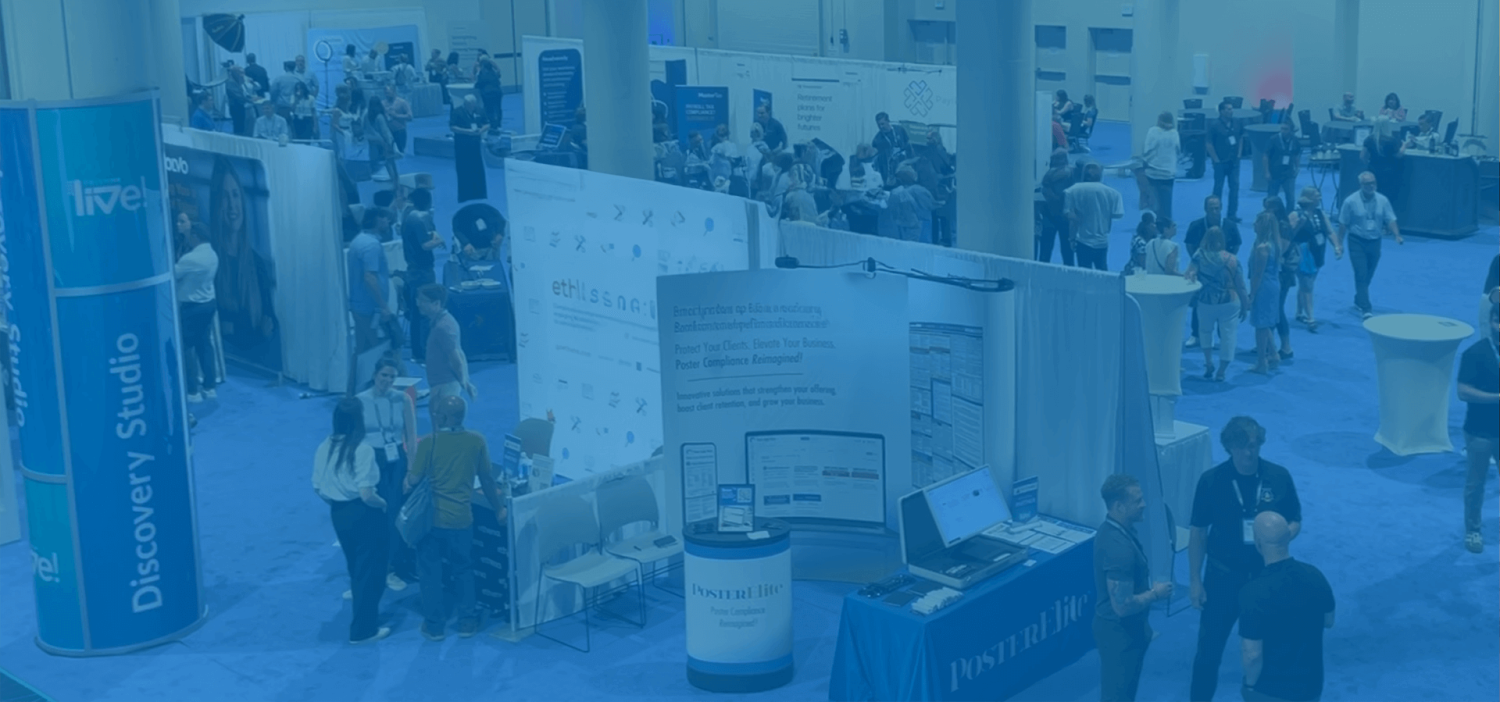
Recently, the INFINITI HR team attended the PrismHR Annual Conference, where HR leaders, payroll professionals, technology providers, and workforce experts gathered to discuss the future of workforce management and demonstrate new technology innovations, particularly around AI, automation, reporting, and employee experience.
One message was clear: organizations that succeed in the years ahead will be those that effectively combine technology, communication, and human connection to create exceptional employee and client experiences.
Quick Answer: Five workforce trends from PrismHR 2026 that every employer should watch: AI is moving from experimentation to daily operations; employee experience is now a competitive differentiator; customer experience depends on internal processes and engaged employees; data-driven workforce analytics are becoming essential; and employers increasingly want strategic partners, not transactional vendors.
Here are five workforce trends that stood out, and what makes them matter to employers today.
1. How Is AI Moving from Experimentation to Operational Reality in HR?
Across HR, payroll, recruiting, benefits administration, customer service, and compliance, organizations are actively implementing AI-powered tools to improve efficiency, reduce administrative burden, and support better decision-making.
The question is no longer whether AI will impact your business. The question is how your organization will use it. “Forward-thinking employers are evaluating where automation can eliminate repetitive tasks, improve responsiveness, and free their teams to focus on higher-value work. At the same time, successful organizations recognize that AI works best when paired with human expertise, judgment, and relationship-building.
What Employers Should Do
Identify one or two areas where automation could improve efficiency today. Start small, measure results, and build from there.
“AI is changing more than internal operations—it’s transforming how buyers research, evaluate, and select service providers,” INFINITI HR COO Javier Ramirez said. “To remain visible, organizations should invest in thought leadership, educational content, and client success stories that establish credibility and authority. The businesses that gain the greatest advantage will use AI not only to improve efficiency, but also to strengthen their digital presence and market visibility.”
2. Why Is Employee Experience Becoming a Competitive Advantage?
One of the strongest themes throughout the PrismHR 2026 conference was the growing connection between employee experience and business performance.
Organizations that invest in communication, recognition, coaching, development, and employee well-being consistently outperform those that treat employee experience as an afterthought.
Today’s workforce expects more than competitive pay and benefits. Employees want purpose, growth opportunities, transparency, flexibility, and leaders who genuinely invest in their success.
As competition for talent remains strong, employee experience has become one of the most powerful differentiators employers can control.
What Employers Should Do
Evaluate your employee journey: from recruiting and onboarding through career development and retention. Small improvements often produce significant long-term results.
3. How Does Customer Experience Start Behind the Scenes?
Many organizations focus heavily on customer experience while overlooking the internal processes that support it.
The reality is that exceptional client experiences are often the result of strong operational systems, proactive communication, and empowered employees working behind the scenes.
The conference reinforced an important lesson: customer experience and employee experience are deeply connected. Organizations with engaged employees and efficient processes are far more likely to deliver exceptional service.
Employers should regularly evaluate the entire employee and client lifecycle: from onboarding and benefits enrollment to payroll support, communication, and issue resolution.
What Employers Should Do
Map your customer and employee journeys. Look for friction points, delays, or communication gaps that can be addressed proactively. Because employee experience and customer experience are closely connected, employers should regularly assess hiring, onboarding, communication, performance management, and retention practices. Through its HR Consulting and RPO services, INFINITI HR helps organizations build stronger teams, support managers, improve employee engagement, and create workplace environments that drive long-term business success.
4. Why Is Data-Driven Decision Making Becoming Essential for Employers?
Employers have access to more workforce data than ever before. The challenge is not collecting data.. It is using that data to make better decisions.
Leading organizations are using workforce analytics to identify retention risks, improve hiring outcomes, measure engagement, forecast workforce needs, and evaluate operational performance.
Organizations that effectively leverage workforce insights will be better positioned to adapt to changing market conditions, improve employee outcomes, and drive sustainable growth.
What Employers Should Do
Determine which workforce metrics matter most to your business and establish a consistent process for reviewing and acting on those insights. Use data to uncover trends early and make proactive decisions before issues become larger problems.
5. Why Do Employers Want Strategic Partners Instead of Just Vendors?
Another major theme throughout PrismHR was the continued evolution of service relationships. (At INFINITI HR, we recently hired a National Director of Strategic Partnerships for just this reason.)
Today’s employers are looking for more than vendors that simply process transactions. They want strategic partners who can help them navigate workforce challenges, identify risks, implement technology, improve compliance, and support growth initiatives.
As regulations become more complex and workforce expectations continue to evolve, organizations increasingly value advisors who can provide guidance, expertise, and perspective.
This shift is reshaping how employers evaluate HR, payroll, benefits, and workforce management providers.
What Employers Should Do
Evaluate your current partners. Are they helping you think strategically about your business, or are they simply fulfilling transactional requests?
The Bottom Line
The biggest lesson from PrismHR 2026 is that success isn’t about waiting for the next breakthrough technology.
The organizations making the greatest progress today are maximizing the tools already available to them while strategically investing in automation, communication, workforce insights, employee experience, and operational excellence.
The employers that focus on creating exceptional experiences—for employees and customers alike—will be best positioned for long-term success.
At INFINITI HR, we continue to monitor emerging workforce trends and help employers implement practical solutions that improve operations, reduce risk, and support sustainable growth.
Key Takeaways:
- AI is no longer experimental in HR. Organizations are actively implementing AI-powered tools across payroll, recruiting, benefits, and compliance, and the competitive advantage goes to those who pair automation with human expertise
- Employee experience has become one of the most powerful business differentiators employers can control. Workforce expectations now include purpose, growth, transparency, and flexibility, not just pay and benefits
- Customer experience and employee experience are deeply connected. Organizations with engaged employees and efficient internal processes consistently deliver better service outcomes
- Employers have more workforce data than ever, but the advantage goes to those who use it proactively. Leading organizations are using analytics to identify retention risks, forecast needs, and improve hiring outcomes before problems emerge
- The vendor-to-partner shift is accelerating. Employers increasingly evaluate HR and workforce providers not on transactions but on their ability to provide strategic guidance, reduce risk, and support growth
Check out the recent blog, 7 Background Screening Considerations That Put Your Organization at Risk, or come back for additional pieces on human resources, payroll, insurance, and benefits.